Building an evening relaxation routine gives you a repeatable runway from a busy day into a calmer night. This evening relaxation routine is not a strict program or a perfect checklist; it is a simple, flexible structure that helps you downshift, lower stimulation, and enjoy a more peaceful end to the day. If previous attempts felt rigid or unrealistic, this guide focuses on small cues, light habits, and choices that respect how real evenings actually unfold.
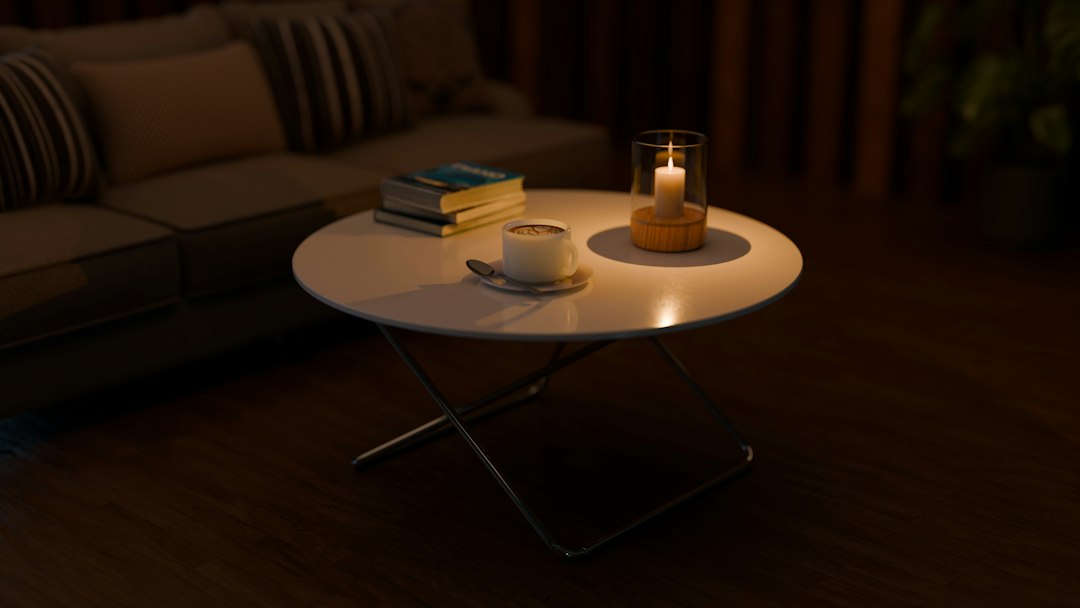
evening relaxation routine: Evening relaxation routine: your flexible blueprint
Think of a routine as three cooperating parts: cues that say “it’s time,” practices that invite calm, and boundaries that protect that calm from interruptions. When you layer these parts consistently—without overcomplicating them—your brain learns that evenings are safe to slow down. Here’s a template to shape your own version, followed by deeper sections on each element.
- Choose an anchor window: A 10–15 minute start window (for example, 9:00–9:15 p.m.) prevents drift and makes repetition easier.
- Pick a first cue: Dim a specific lamp, brew a non-caffeinated tea, or turn on a low-volume playlist. The simpler the cue, the more likely you’ll use it nightly.
- Stack 2–3 practices: Combine short, gentle options: light movement, a few minutes of writing, and a quiet activity like reading or a warm shower. Keep total time under an hour on most days.
- Set one boundary: Put your phone on a shelf, use do-not-disturb, and choose a defined lights-low time. A clear end makes tomorrow’s start feel easier.
Consistency is built by being kind to yourself. When cravings for late-night scrolling or extra chores appear, shift back to your cues and let the routine carry you. The aim is a rhythm you can keep most nights, not a performance you only achieve on perfect days.
Set the scene: lighting, temperature, and order
Environment quietly shapes your state before any technique begins. A few thoughtful adjustments can reduce stimulation and friction, helping your body read “evening” without effort.
Lighting matters more than you think. Bright overhead lights signal “daytime” and can keep your mind wound up. Replace them with warmer, lower lamps that point away from your eyes. If you can, pick one lamp as your official wind-down trigger: when that lamp turns on, your routine begins. Many people find success putting this lamp on a smart plug with a preset time, so the cue happens even on busy nights.
Temperature and texture support comfort. A slightly cooler room with a soft layer—a throw blanket, cozy socks, or a robe—feels soothing without overheating. Your goal is “calm” rather than “sleepy” at this stage. Focus on breathable, comfy fabrics you genuinely like. If you share a home, align temperature preferences with roommates or family by using individual layers rather than arguing with the thermostat.
Quick order beats deep cleaning. A two-minute tidy lowers visual noise: collect cups, clear a surface, put tomorrow’s outfit in view. This is not a cleaning session; it is an act of kindness to your future self. A one-song reset often removes small irritations that would otherwise tug on your attention at night.
Build a bedside station with a paper book, a pen, and a notepad. Keep them within easy reach so you are not tempted to grab your phone. Repetition teaches your hands where to go first, and that matters more than willpower.
Design a digital sunset you can keep
Screens deliver bright light and novelty on demand. An effective digital sunset lowers both in a way that feels realistic. Instead of banning technology, choose a gentle off-ramp that creates space for calm activities you enjoy.
Set a cut-off window. A 30–60 minute screen break before bed is common, but you can start with 20 minutes. If you prefer audio, pick a single app to keep—music or a calming audio track—and let everything else be off-limits. The key is to avoid “one last scroll” traps by reducing choices.
Move the phone. Place your phone on a shelf, dresser, or in another room, especially if you usually scroll in bed. Use a plug-in alarm clock so you are not pulled back to the phone “just to set an alarm.” If you need to be reachable, configure do-not-disturb to allow calls from key contacts while silencing everything else.
Offer an effortless alternative. Put a book or magazine where your phone used to live. Keep a puzzle, sketchbook, or crosswords near your usual chair. Make the analog option literally the easiest choice—so when habit takes over, it defaults to something quiet rather than something loud.
Handle exceptions thoughtfully. If a late message arrives, reply with a saved line like, “Logging off for the evening, will reply in the morning.” If your work spans time zones, set two nightly windows a week with stricter digital boundaries and accept that the other nights will be looser. Progress improves with honest patterns, not with rigid rules that break under pressure.
Gentle movement and breath to downshift
A short movement sequence can melt the day’s tension and help you shift from “doing” to “being.” Keep intensity low and intention soft. This is not exercise time; it is a transition.
- Shoulder and neck unwind (3–4 minutes): Slow shoulder rolls forward and back, neck circles in a small range, and two or three gentle arm swings. Keep breath steady, jaw loose, and movements slow.
- Spine sways (4–5 minutes): Cat-cow on hands and knees, or seated spine waves if floor work is not your thing. Move calmly, focusing on ease rather than stretch intensity.
- Hip and hamstring ease (4–5 minutes): Figure-four stretch on your back or seated, followed by light hamstring stretches. Stop well before discomfort; the goal is release, not achievement.
- Simple breath cadence (4–5 minutes): Inhale through the nose for four counts and exhale for six. If counting feels stressful, simply lengthen your exhale. Rest your hands on your belly or ribcage to feel the breath move.
If time is tight, try a single practice: sit, rest your back against a cushion, and lengthen your exhale for two minutes. If you have more energy, add a brief warm shower after movement; warmth pairs nicely with slow breathing and can become a reliable cue that the day is winding down.
Paper rituals that calm the mind
Anxious loops often come from unfinished thoughts: tasks you might forget, concerns you can’t solve at night, and memories your brain keeps replaying. A tiny paper ritual can collect those loops and store them somewhere safe.
- Two-minute brain download: Set a timer and write everything on your mind—tasks, ideas, worries, gratitude, reminders. Let it be messy. The goal is to empty, not to organize.
- Tomorrow’s tiny plan: On a fresh line, write a single top priority for tomorrow and the first action you will take. Keep it so small you could do it while your coffee brews.
- Close the notebook deliberately: Put the notebook on top of your book or on your nightstand as a visual “door.” You told your future self where the thoughts are; you do not need to carry them into the night.
If thoughts pop up in the dark, keep a small notepad by the bed. Jot the idea and return the pen to its place. This move teaches your brain that thoughts can be captured without turning the lights back up—literally or figuratively.
Sensory anchors: warmth, scent, and sound
The senses shift state quickly. A few gentle anchors can encourage calm without demanding much effort or attention.
Warmth signals safety. A warm shower, a heating pad on tight shoulders, or a warm beverage can feel soothing. If you enjoy tea, pick a blend without caffeine and a portion that feels comfortable for your system. The aim is comfort, not sedation.
Subtle scent becomes a cue. Some people enjoy a light, pleasant aroma—perhaps a spritz on a pillow or an essential-oil diffuser on a low setting in a ventilated space. If any scent irritates your eyes or breathing, skip it. The cue should be gentle and optional, not another task.
Sound can hold your focus softly. Try slow-tempo instrumentals, ambient rain, or soft lo-fi at a modest volume. Repeating the same playlist most nights creates a reliable association: when the first track starts, your evening identity turns on.
Keep sensory choices simple. One or two anchors that you genuinely like will serve you better than a basket of products that add friction.
Reading, creativity, and low-stimulation play
Once screens are parked and your body is quieter, you need a soft activity to carry you through the wind-down window. The goal is light curiosity and calm focus—engagement without adrenaline.
- Paper reading beats temptation: Paper reduces the pull to “just check something.” Choose short essays, poetry, or non-fiction with small chapters. Avoid cliffhangers if they keep you flipping pages long after your intended lights-low time.
- Gentle creativity steadies the mind: Sketch lightly, color a page, knit a few rows, or assemble a simple puzzle. The common thread is small loops: you can stop at any moment without disrupting progress.
- Shared wind-downs help households: Swap one episode of a show for a 15-minute read-aloud, a card game, or a shared puzzle. Announce a defined end with a timer so nobody feels surprised when you switch off.
These activities act as guardrails, keeping your attention from rumination while staying gentle on the senses. Place supplies where you’ll use them; friction-free setups create repeat habits.
Timeline templates for real life
Every evening is different. Create two or three timeline templates and rotate them based on the night you are having. This avoids binary thinking (“I did the whole routine” versus “I failed”) and makes it easier to keep a steady identity: you are a person who winds down, even when your evening is short.
The 45-minute plan
- 00:00–00:05 Dim the lamp, start the playlist, move the phone away.
- 00:05–00:15 Gentle movement and breath cadence.
- 00:15–00:25 Two-minute download and tomorrow’s tiny plan; two-minute tidy.
- 00:25–00:45 Paper reading or quiet creative activity; lights lower near the end.
The 25-minute plan
- 00:00–00:03 Lamp on, phone parked, tea poured.
- 00:03–00:10 Breath cadence and shoulder/neck release.
- 00:10–00:15 Two-minute download and micro tidy.
- 00:15–00:25 Light reading or a short puzzle; lights lower.
The 10-minute “still counts” plan
- 00:00–00:02 Dim, phone away, one deep exhale.
- 00:02–00:06 Breath cadence for two or three rounds.
- 00:06–00:10 Note tomorrow’s top priority; close the notebook; lights lower.
Templates allow rhythm to survive messy days. Even the 10-minute plan reinforces your cues and boundaries, preventing a late-night slide into random tasks or extended scrolling.
Troubleshooting real life: families, travel, and shifting schedules
Routines are easiest on predictable days. Life is rarely predictable. When evenings get complicated, shrink the loop while keeping a boundary and one cue. With that mindset, the routine stays alive without becoming another thing to fail at.
- Late dinners: If you eat later than usual, lower stimulation with softer light and quiet music while cleanup waits until morning. Add breath cadence to counter post-meal restlessness.
- Parents and caregivers: Align your wind-down with the kids’ routines. Use the same playlist and lamp cue. After storytime, keep your lamp on as your personal signal while you do two minutes of writing and a brief stretch.
- Roommates: Agree on a quiet hour for shared spaces. Use headphones and a small personal lamp to signal your wind-down without controlling anyone else’s behavior.
- Travel: Pack a mini kit: earplugs, an eye mask, a short charging cable (for parking the phone away), and a pocket notebook. Keep a consistent audio cue—one playlist that goes everywhere.
- Shift work: Name your routine by event (“post-shift wind-down”), not by clock time. The principles are the same: cue, practice, boundary. Repetition builds the association, even if the hour changes week to week.
- Partners with different styles: Seek overlap instead of uniformity. Share the first cue (lamp, playlist) and diverge afterward. You can read while they sketch or vice versa, then end together with a lights-low moment.
Grace fuels consistency. When you pick the smallest possible version instead of skipping entirely, you preserve momentum and identity—someone who winds down, even on difficult days.
Tools and gear: light-touch helpers
Tools can help, but they are optional. Start with free options and add gear only when it removes friction or makes the routine feel pleasantly inviting.
- Lighting: Warm bulbs, a dimmer plug, or smart bulbs with an “evening scene.” Label one lamp your wind-down lamp.
- Sound: A small speaker for a consistent playlist, or a simple white noise device if you enjoy steady sound as you settle.
- Analog helpers: A plug-in alarm clock and a basic notebook. These two items alone often shorten screen time.
- Comfort: Soft pajamas, a warm throw, breathable sheets, and a supportive pillow. Make the calm choice feel cozy and immediate.
- Apps (if helpful): A timer for downloads and tidies, a music app with a dedicated evening playlist, and a daytime notes app to capture ideas earlier, reducing nighttime note-taking. Keep app choices minimal to avoid extra decisions.
If a tool becomes its own chore—charging, updating, tinkering—swap it for something simpler. The routine’s strength comes from repeatable cues, not from complex gear.
Track lightly, adjust kindly, and think seasonally
Routines that last are routines that evolve. Instead of chasing perfection, collect small feedback and make gentle tweaks. A week of one-line notes can teach you more than a detailed spreadsheet nobody keeps.
- One-line log: Each morning, write one sentence about last night’s wind down. Example: “Lamp at 9:10, phone in the kitchen, read 15 minutes; felt calmer.”
- Simple metrics: Track how long it took to settle, how rested you felt upon waking, or how often you reached for the phone. Keep notes descriptive, not judgmental.
- Weekly tweak: Change one variable at a time: start earlier by five minutes, shorten the playlist, switch the order of movement and writing. Isolating one change makes cause and effect clearer.
- Seasonal switch: In colder months, many people enjoy earlier dimming, warmer layers, and a cozier reading nook. In warmer months, try lighter blankets, cooler rooms, and perhaps an evening stroll before your first cue.
If you miss a night or a week, avoid dramatic resets. Return to your first cue. Consistency grows fastest when you make the smallest helpful move as soon as you notice drift.
Boundaries that protect calm—and how to reset when you drift
Boundaries are not punishments; they are design features that keep your routine intact amid the pull of messages, chores, and old habits. A small script or rule can keep decisions light at the end of the day.
- One-screen rule: After your digital sunset, allow at most one screen-based activity, and only if it truly feels calming (for example, a short audio track). End it when your timer stops.
- Room choreography: Keep work devices out of the bedroom. Put the phone on a shelf instead of the nightstand. Arrange the space so the “easy” path is the calm path.
- Saved sentence: When a message pings late, reply with, “Logging off for the evening, will reply in the morning.” A friendly line protects your boundary without drama.
- Future-you notes: When a “don’t forget” pops up, write it down and move on. The note itself is a boundary; you needn’t solve it at night.
When routine slips, avoid all-or-nothing thinking. Use a three-night reset: for the next three evenings, do just the two-minute download and breath cadence. If that feels good, add one step on night four. Small wins rebuild momentum faster than trying to revive every piece at once.
Comparing short and longer routines: how to choose
People often ask whether short versions “work” compared to longer ones. The honest answer is that both have value. Quick routines excel at reducing late-night stimulation and reinforcing boundaries. Longer routines add richer cues and deeper decompression. Choose based on your current context, energy, and season of life.
- Quick wins (10–20 minutes): Best for tight schedules or when you resist structure. Benefits include fewer decisions at night and less phone time. Core elements: lamp cue, phone away, breath cadence, one line of notes.
- Moderate routines (25–45 minutes): Best for adding gentle movement and a reading habit. Benefits include more time for body cues and mind cues. Common elements: movement, writing, tidy, reading, lights low.
- Deeper routines (60 minutes): Best for those who love ritual and have a stable evening window. Benefits include layered cues that reliably anchor mind and body. Common elements: light yoga, warm shower, journaling, longer reading, gratitude notes.
Start small, build trust in yourself, and expand five minutes at a time. Let patience handle the heavy lifting. The right size is the one you will repeat most nights.
Common pitfalls and simple fixes
Even solid routines can falter. Here are frequent friction points and easy ways to get past them.
- The start time drifts later: Use a smart plug or a recurring reminder to turn on your wind-down lamp at the same time each night. If you miss it, begin the 10-minute plan as soon as you notice.
- The phone sneaks back in: Put a charging station in the kitchen or living room and keep a spare cable there. If your phone is your audiobook device, turn on airplane mode and download content ahead of time.
- Movement feels like a chore: Cut the sequence in half. Even two minutes of shoulder rolls and a longer exhale can shift your state.
- Writing spirals into problem-solving: Time-box the download. When the timer ends, stop. If necessary, write “I can return to this tomorrow at 9:15 a.m.” as a closing line.
- Reading overstimulates: Switch genres. Try essays, short stories, or slow non-fiction instead of thrillers that invite “just one more chapter.”
- Household noise distracts: Use headphones with soft audio, turn on a small noise device, or relocate to a quieter corner with your lamp cue.
Each small fix keeps momentum while reminding you that a routine is a living design, not a fixed obligation.
If you want related ideas and more guides on calming practices, explore the Self-Relaxation articles on our site. Start at familyhealthdesign.com and browse what resonates for your situation today.
When you put it all together, an evening routine is less about perfection and more about rhythm. Your lamp turns on, the phone steps aside, a brief movement sequence loosens the day, a few lines on paper store your thoughts, and a quiet activity carries you to lights low. Repeat this most nights, in whatever size fits, and your evenings begin to feel like a place you want to arrive, not a zone you survive.