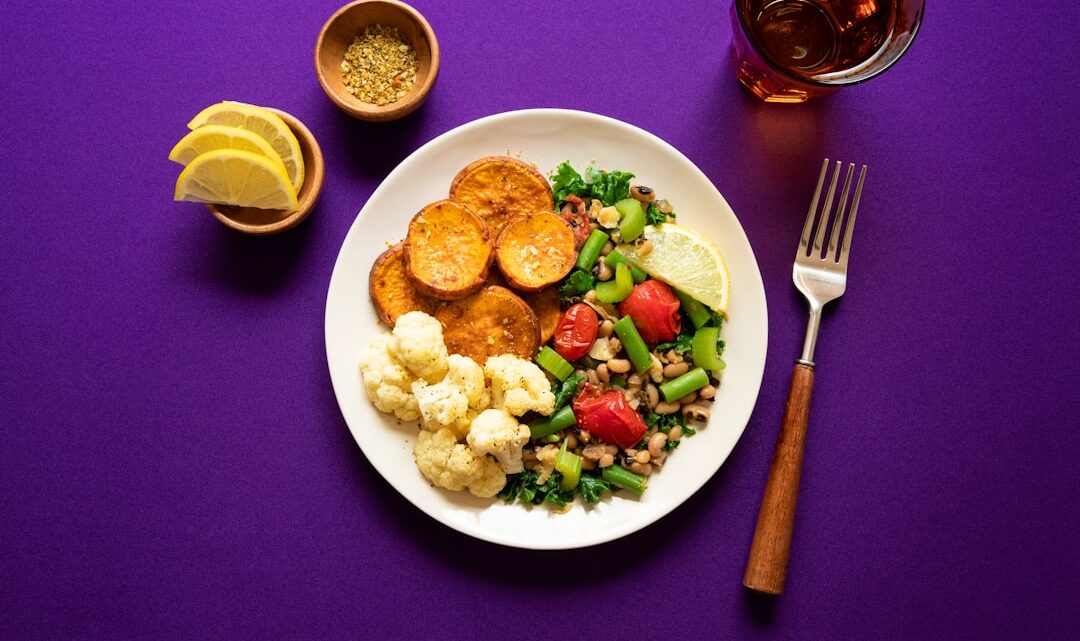
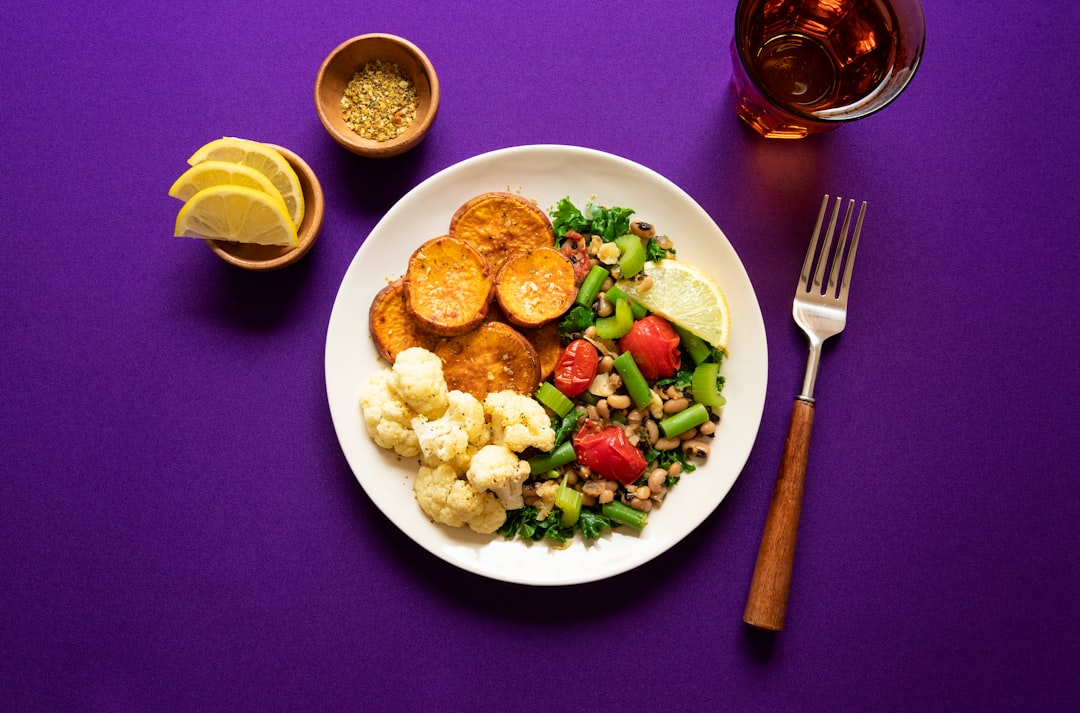
A Muscle Growth Meal Plan works best when it fits real life, not an ideal week that only exists on paper. I like to start with that idea because most people do not struggle with theory. They struggle with Tuesday night, a late commute, an empty fridge, and zero interest in cooking from scratch. If your food setup can survive those moments, it has a chance to stay useful for months instead of days.
This article is built around that reality. I am not trying to turn meals into a full-time project. I am trying to show how to build a food routine that supports hard training, steady appetite, and a sane schedule. If you already follow strength work, food structure can help your sessions feel more productive and your week feel less random. If you are new to it, a clear plan keeps you from bouncing between under-eating and grabbing whatever happens to be nearby.
I also want the plan to feel repeatable. That means fewer decisions, fewer surprises, and fewer moments where you ask yourself what to eat from scratch. Once the structure is in place, shopping gets easier, prep gets shorter, and daily meals feel less like a puzzle. For a wider look at training habits and body-building basics, you can also visit the Create Muscle hub.
The pages below focus on practical details. You will see how to set portions, build meals, line up food with training, shop in a smarter way, and review the week without getting lost in perfectionism. A useful plan is not fancy. It is the one that keeps showing up when life gets messy.
Why a Muscle Growth Meal Plan matters when time is tight
People often think gaining muscle is only about eating more food. That is incomplete. Eating more without a pattern usually leads to scattered meals, late snacks, and a week that feels out of control. A Muscle Growth Meal Plan gives those calories a purpose. It turns food from a series of guesses into a structure that supports training and recovery.
I like to think of it as reducing decision load. What do you eat when you wake up late? What do you grab after a long session? What do you keep on hand when lunch disappears faster than expected? If those answers are already decided, the day gets easier. You do not need to negotiate with yourself every time you get hungry. That saves energy for the gym, work, and the rest of your life.
There is also a useful mental shift here. One missed meal does not ruin anything. One huge dinner does not fix anything. The useful question is whether your weekly pattern points in the right direction. If most meals are built well, then the occasional rough day is just noise. That is one reason a repeatable plan matters more than a perfect one.
Busy people also need a plan that can absorb change. A long work shift, a delayed train, a family dinner, or a training session that runs late will all affect what you eat. A rigid setup breaks under those conditions. A flexible setup bends, which is exactly what you want.
So the goal is simple. Build a system that keeps protein steady, keeps energy available, and keeps you from improvising every meal. That is the difference between a plan you admire and a plan you actually use.
Muscle Growth Meal Plan basics for busy lifters
The basics are simple enough to remember, even if you do not track every bite. A Muscle Growth Meal Plan usually comes down to four parts. Protein gives your body the raw material for muscle repair and growth. Carbs provide the fuel that helps you train with more output. Fats support energy balance and help meals feel satisfying. Total food intake matters because you need enough energy to train hard and keep the routine sustainable.
Protein is the anchor. If a meal has protein first, it is much harder for that meal to drift into a random pile of calories. Eggs, Greek yogurt, cottage cheese, chicken, turkey, fish, lean beef, tofu, tempeh, and protein shakes all work here. You do not need every option at once. You need a few reliable choices that fit your schedule and your budget.
Carbs often carry more weight than people expect. Rice, potatoes, oats, bread, pasta, fruit, beans, and tortillas give you an efficient way to keep energy available. If training starts feeling flat, many people look at their program before they look at their food. That is a mistake. Sometimes the fix is simply more carbs in the right places.
Fats help meals feel complete. Olive oil, avocado, nuts, seeds, cheese, peanut butter, and fatty fish can add density without adding much extra prep. If a meal is too light, too small, or too easy to get through in ten minutes, a little fat can change the feel of it.
The final part is overall energy. Some people need a small bump above their usual intake. Others need to stop under-eating and call that progress. The right amount is the amount that supports training, daily energy, and body composition in a way you can maintain. That is why the plan should be adjustable instead of locked.
When these pieces line up, meals stop feeling random. You can look at the plate and ask a much better question: does this meal actually support the day I am living?
Set portions without logging every bite
Not everyone wants to weigh food every day. I get that. Logging can help some people, but it is not the only way to build a useful plan. You can use simple portion cues and still keep your Muscle Growth Meal Plan on track.
One approach is to build each main meal around a clear anchor. Start with a solid protein portion. Add a carb source. Add produce for texture and micronutrients. Then add fats if the meal needs more density or satisfaction. That basic pattern works for breakfast, lunch, and dinner. The amounts change with your size, appetite, and training load, but the structure stays the same.
Hand portions are another easy method. One palm of protein is a useful starting point for many people. One fist of carbs can serve as a baseline. One or two thumb-sized portions of fats can round the meal out. I am not saying this is perfect for every lifter. I am saying it is practical, and practical usually wins over exactness when life is busy.
You can also use plate cues. If half the plate is protein and produce, and the other half is a carb source, you have a much better shot at balance than if the meal is mostly whatever was fastest to cook. The point is not to make every plate identical. The point is to avoid accidental under-eating or accidental chaos.
A useful test is how you feel two to three hours later. If you are hungry again right away, portions may be too small. If you feel heavy and sleepy, portions may be too large or too dense. That feedback is more valuable than guessing from a single meal.
Portions should make the plan easier to repeat, not more stressful. If you can glance at a plate and understand whether it is close, you will probably stick with the routine much longer.
Build each meal from a repeatable template
The easiest plans are the ones that use templates. Once you stop reinventing every meal, the whole process gets lighter. A template also makes shopping easier because you buy components, not a dozen special recipes you will cook once and forget.
My favorite structure is simple. Pick one protein, one main carb, one produce item, and one flavor source. That flavor source might be a sauce, spice blend, salsa, pesto, yogurt dressing, mustard, or a squeeze of citrus. The details matter less than the repeatability. If you can rotate those pieces, you get variety without confusion.
For breakfast, a template might be Greek yogurt, oats, berries, and nuts. Or eggs, toast, fruit, and avocado. Or a shake, oats, banana, and peanut butter when the morning is rushed. For lunch, rice with chicken and vegetables is hard to beat because it reheats well and travels well. For dinner, pasta with beef or tofu, plus a vegetable and sauce, gives you another simple template that does not require much thought.
Templates help because they remove the pressure to be creative every day. Creativity is fun when you have time. It is less helpful when you are tired and hungry. A template turns the meal into a small set of decisions. What protein? What carb? What produce? What flavor? That is enough.
You can also keep two versions of the same template. One version can be lighter for days when appetite is low. The other can be denser for days when you need more fuel. That way you are not rebuilding the whole plan when your hunger changes.
If you want more variety, change the flavor first, not the entire structure. A rice bowl can feel new with teriyaki, curry, salsa, or garlic and herbs. That is a far easier way to stay interested than chasing a brand-new recipe every night.
Use meal timing to match training demand
Meal timing does not need to be complicated, but it helps to think about it. The body does not care about perfection. It does respond to being fueled at the right times. A Muscle Growth Meal Plan works better when it matches your training window instead of ignoring it.
Before training, I prefer food that is easy to digest and not too heavy. Carbs are useful here because they are efficient fuel. A banana and a shake works for some people. Toast with honey and yogurt works for others. Rice and a lighter protein portion can work if the session comes later. The point is to feel ready, not stuffed.
After training, I care more about getting a real meal in place than chasing a minute-by-minute rule. If a proper meal is available within a sensible window, great. If not, the next meal should still contain protein and carbs. That is the main job. People often overcomplicate this part and turn it into a rigid rule set. That usually makes the plan harder to live with.
Early training creates a special case. If you lift before work, breakfast becomes the post-session meal, so it should carry more weight. If you train late in the day, dinner can fill that role. If your schedule is irregular, the best pre-session meal may be the one you can eat consistently, not the one that looks best on paper.
A good rule is to match meal size with training demand. Harder session, more fuel. Lighter session, lighter meal. That keeps the plan practical and helps you avoid the common pattern of under-fueling on the days when your body needs more support.
If you want the short version, timing is less about precision and more about being ready when the work begins and being refueled when the work ends.
Make the grocery list do most of the work
The grocery list is where many plans either become easy or fall apart. If you buy flexible food, the week gets easier. If you buy random items with no clear role, the kitchen turns into a museum of half-used ingredients.
I like to group the list by function. For protein, I usually want a few quick items and a few cook-at-home items. Eggs, Greek yogurt, cottage cheese, chicken thighs, chicken breast, lean ground beef, canned tuna, salmon, tofu, tempeh, and protein powder can cover a lot of ground. You do not need all of them. Two or three reliable options can carry the week.
For carbs, rice, oats, potatoes, pasta, bread, tortillas, fruit, beans, and cereal can give you plenty of flexibility. For fats, olive oil, avocado, nuts, seeds, peanut butter, and cheese are easy to use without much prep. For produce, I like vegetables that work well in the oven or pan, plus fruit that can be eaten fast.
Meal prep does not have to mean cooking every item in bulk on one day. It can mean cooking two proteins, one carb base, and a tray of vegetables. That alone can cover a lot of meals. It can also mean washing fruit, portioning snacks, and making one simple sauce for the week.
If your schedule is chaotic, build an emergency shelf. Keep a few items that can save a meal when plans change. Canned fish, rice cups, oats, crackers, shelf-stable milk, protein powder, nut butter, and frozen vegetables can rescue a day that would otherwise turn into skipped meals or random snacks.
The grocery list should reduce decisions, not add them. If you can shop from a short list and still build several meals, your plan has a much better chance of lasting.
A realistic sample day for different training times
A sample day can make the structure feel less abstract. I like showing one day because most people need to see how the pieces fit together before they trust the system.
For an early training day, breakfast might be a shake, oats, a banana, and peanut butter. That is quick, easy, and enough to get the session started. After training, a larger meal could be rice, chicken, vegetables, and sauce. Lunch might be yogurt, fruit, and a sandwich. Dinner could be pasta with beef or tofu and a side salad. A late snack might be cottage cheese with berries or another shake if more food is needed.
For a late training day, the same foods can move around. Breakfast could be eggs, toast, and fruit. Lunch could be a rice bowl with chicken or tofu. A pre-session snack might be a banana and yogurt, or cereal and milk, or toast with jam. Dinner after training could be salmon, potatoes, and vegetables. A small evening snack could follow if the day still feels short on food.
That is the real value of a template-based plan. You are not tied to one exact hour. You are moving the same building blocks around based on the day. That keeps the routine stable without making it brittle.
Some people do well with three bigger meals. Others do better with four or five smaller feedings. There is no prize for forcing a structure that feels awkward. The best structure is the one that lets you reach your intake target without making every meal feel like a chore.
If you like examples, compare these two approaches. The first is one huge dinner after a skipped day. The second is a steady pattern of breakfast, lunch, snack, dinner, and a small evening feed. The second approach usually feels calmer, supports training better, and is easier to repeat.
Adjust for low appetite, small budget, and irregular schedules
No two people live with the same appetite, budget, or calendar. A useful Muscle Growth Meal Plan has to bend around that. If it does not, it becomes a nice idea instead of a useful routine.
For low appetite, smaller meals with higher density are often easier. Shakes help. Yogurt bowls help. Rice with sauce helps. Nut butter, trail mix, cheese, and softer foods can help too. Drinking part of your intake is often easier than forcing huge plates. You can also split the day into more feedings so no single meal feels overwhelming.
For a tighter budget, basic staples often do the most work. Eggs, oats, rice, beans, potatoes, milk, yogurt, canned tuna, frozen vegetables, peanut butter, and chicken thighs can stretch far without turning the plan into a luxury project. You do not need specialty foods to eat in a way that supports hard training. You need reliable basics and some discipline around shopping.
For an unpredictable schedule, portability matters. Wraps, rice bowls, shakes, fruit, trail mix, and leftovers are useful because they travel well. I also like keeping one backup snack in a bag or desk drawer. If the day goes sideways, that one item can keep you from missing a meal entirely.
If your work hours change from day to day, build your plan around anchors rather than exact times. For example, you might say food before work, food after training, food in the evening. That is more durable than trying to force the same clock time every day.
The main lesson is simple. Do not build the plan for the life you wish you had. Build it for the life you already live. That is where consistency starts to feel possible.
Common mistakes that slow progress
Most people do not fail because they lack effort. They fail because the routine is too fragile. A few common errors show up again and again.
The first is under-eating protein. A meal can look large and still be weak on protein. A plate full of pasta does not solve that by itself. If protein is the anchor, the meal is easier to trust. If protein is an afterthought, the whole day can drift off target without much warning.
The second mistake is letting calories swing too far from day to day. Some days are tiny. Some days are huge. The average never settles. That pattern often happens when people rely on hunger alone. Hunger is useful, but it is noisy. It changes with training, stress, sleep, and schedule. A plan gives hunger some structure.
The third mistake is making too many brand-new recipes. Variety sounds exciting, but it can make shopping and prep harder than it needs to be. A small set of repeatable meals usually works better. You want enough change to stay interested and enough repetition to stay organized.
The fourth mistake is ignoring carbs when training gets harder. A lot of lifters blame their program when the real issue is fuel. If the session feels flat, the answer may be a better carb setup rather than a new program.
The fifth mistake is trying to score each meal like a moral test. That turns food into stress. A strong plan is resilient enough to handle imperfect meals and still stay useful over the week.
Here is a quick comparison that helps. A rigid plan asks for perfect meals and gives up quickly. A flexible plan asks for a pattern and keeps working when life changes. That difference matters more than most people think.
Weekly review checklist and maintenance
A plan is not something you set once and forget. It works better when you review it every week and make small, honest changes. That is how the routine stays aligned with your training, your appetite, and your schedule.
When I review a week, I look at a few simple signals. Did I get enough protein most days? Did I miss meals because the day got too busy? Did training feel supported or flat? Did I feel hungry between meals or weighed down after them? Those questions tell you more than trying to judge the week from one isolated lunch.
Here is a simple maintenance checklist you can use:
- Keep three to five repeatable meals in rotation
- Restock the protein sources that actually got eaten
- Keep one easy backup meal in the freezer or pantry
- Check whether training days need more carbs than rest days
- Notice which meal was hardest to keep consistent
- Adjust one thing at a time instead of rebuilding everything
The best weekly updates are small. Add a little more carb to lunch. Swap one snack for a denser option. Cook one extra protein batch. Move a meal earlier because training is starting sooner. Tiny changes are easier to measure and easier to keep.
It also helps to track what felt easiest. If one breakfast kept you full and one lunch was effortless to pack, use them again next week. A sustainable routine often grows from what already worked, not from a fresh reset every Monday.
Maintenance is the real skill here. It is the part that keeps the plan from becoming a short burst of motivation followed by two chaotic weeks. If you can review, adjust, and repeat, the system starts to carry itself.
Keep the plan flexible as your goal changes
Food plans should not stay frozen while everything else moves. Training changes. Work changes. Appetite changes. Body weight changes. The meal structure should move with them.
If you are trying to gain and the scale has not moved for several weeks, you may need a bit more food. If appetite is low, adding density can work better than adding volume. If sessions are long and demanding, the carb side of the plan may deserve more attention. If life gets busier, convenience may matter more than cooking variety for a while.
I like to think in terms of levers. Food amount is one lever. Meal timing is another. Prep effort is another. Budget is another. When something feels off, choose the lever that matters most and adjust that first. Do not change everything at once. That makes it hard to know what helped.
The good part is that a repeatable plan gives you options. Because the structure is simple, you can scale it up or down without losing the shape of the day. That is much better than a complicated plan that only works when your calendar is perfect and your motivation is high.
A solid Muscle Growth Meal Plan should leave room for real life. It should support training, not dominate your day. It should be clear enough to follow, loose enough to adapt, and simple enough to stay on the table long after the first burst of excitement wears off.
If you build it that way, the food side of muscle gain feels less like a guessing game and more like a dependable part of your routine.