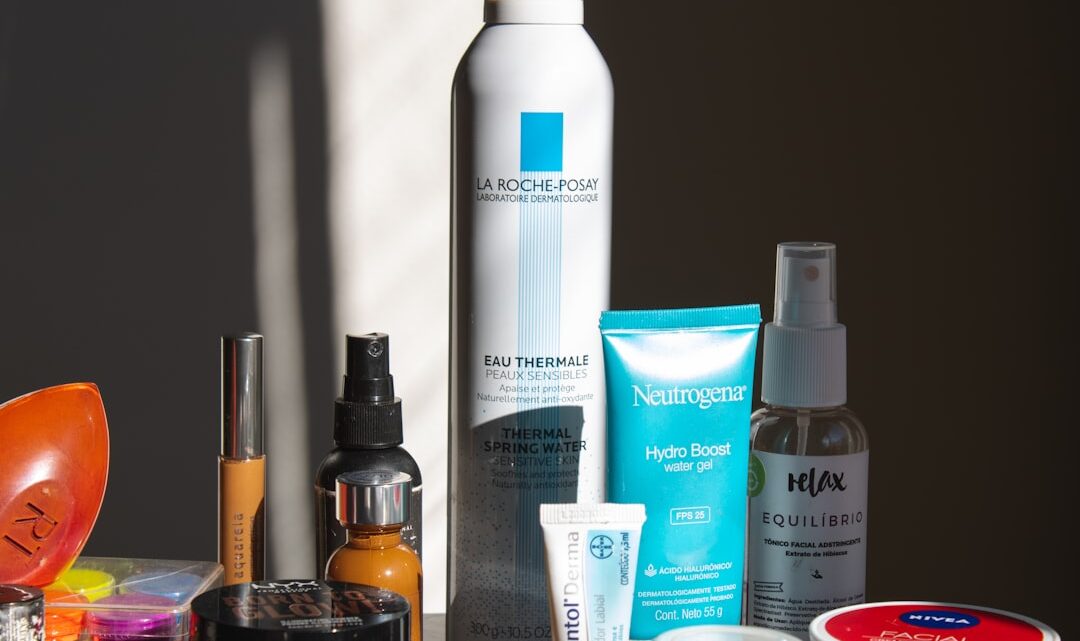
If your face has started to sting at products that felt fine last month, or every cleanser leaves you tight and flaky, it is time to build a skin barrier repair routine. This guide shows you exactly how to simplify, soothe, and then gradually reintroduce power players so your skin feels comfortable again and looks steadier week by week.
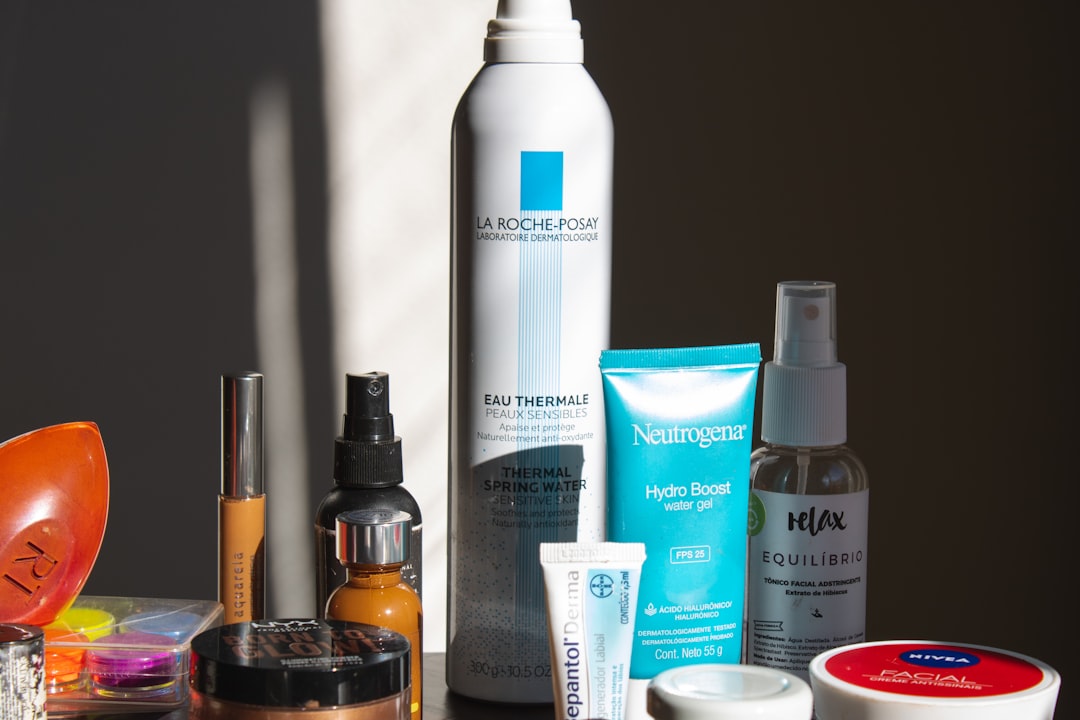
Meet your skin barrier: the everyday armor you can actually influence
Your skin barrier is a paper-thin, brilliantly designed wall at the very top of the epidermis. Think of it as a brick-and-mortar system: the “bricks” are flattened dead skin cells (corneocytes) and the “mortar” is a lipid matrix of ceramides, cholesterol, and fatty acids. When these elements are in balance, water stays in and potential irritants have a harder time getting through. The result is skin that looks smoother, feels supple, and handles daily life without overreacting.
Modern routines often chip away at this wall. Double exfoliation, hot showers, harsh surfactants, weather swings, and stress can all leave that mortar a little leaky. When the barrier is stressed, water escapes easily, which can make your face feel tight even after moisturizing. As the barrier struggles, you might notice more visible redness, rough patches, or that products start to tingle where they used to feel neutral. Oil may spike in response to water loss, which is why some people feel shiny and flaky at the same time.
The encouraging part: the outermost layers of skin are constantly renewing. With steady inputs—gentle cleansing, replenishing lipids, humectants, and time—you can support the mortar in regaining balance. What you do morning and night influences how well your skin tolerates heaters, air conditioning, sun exposure, wind, and indoor dryness. Small, consistent steps stack up into substantial comfort.
How to tell your barrier is stressed (and not just having a random off day)
Because everyone’s skin has its own temperament, it helps to spot patterns across several days rather than single one-off reactions to a new product. The checklist below can help you decide when to shift into repair mode.
- Persistent tightness, especially after cleansing, that doesn’t ease with your usual moisturizer
- Increased visible redness or a “flushed” look even without exercise or heat
- Patchy flaking around the nose, mouth, or between brows
- Products that used to feel fine now tingle or “sting,” especially serums with strong actives
- Makeup suddenly looking cakey or clinging to dry areas it never found before
- More visible shine and dryness at the same time—oil production can ramp up to compensate for water loss
- After shaving, hair removal, or a new active, your skin takes longer than usual to settle
These signs overlap with other situations too, like seasonal changes, masks rubbing on cheeks, or travel. If in doubt, assume your face appreciates a simpler rhythm for a bit. The next sections lay out an easy sequence for a calm reset and a roadmap for building back to your regular goals.
Build your skin barrier repair routine
Repair means simplifying first, then supporting, then very slowly reintroducing stronger actives once your skin has settled. The blueprint below can be adapted to match your skin type, budget, and climate. Think of it as a framework, not a rulebook.
Morning sequence
- Cleanse gently (or just rinse): If you wake up feeling clean, a lukewarm water rinse can be enough. If you prefer a cleanser, pick a low-foam, fragrance-free option with hydrating agents like glycerin or betaine. Massage with fingertips for 20–30 seconds, then rinse thoroughly.
- Humectant layer: Apply a serum or toner rich in glycerin, panthenol, or hyaluronic acid (HA). Press into damp skin to draw in moisture. If you live in very dry indoor air, layer a second pass on cheeks and around the mouth.
- Lipid + soothing step: Use a lightweight moisturizer that includes ceramides, cholesterol, and fatty acids. Extras like centella, oat, squalane, or bisabolol can make the texture more comfortable.
- Daily sunscreen: Choose a comfortable sunscreen that you’ll actually wear. Hydrating textures with minimal fragrance are often easiest on a fragile-feeling face. This step helps your morning work last longer by limiting UV stress.
Night sequence
- Cleanse once: Use a soft, non-stripping cleanser. If you wear makeup or long-wear sunscreen, dissolve with a balm or oil, then follow with your gentle cleanser. No need to scrub—take your time and let the product do the work.
- Humectant sandwich: On damp skin, apply your humectant-rich toner or serum. If air is very dry, mist or splash a little water and add one more thin pass.
- Lipid-forward moisturizer: Reach for something slightly richer than you use in the morning. Ceramides, cholesterol, and fatty acids form a replenishing trio. If you enjoy face oils, pat a few drops over moisturizer or mix one drop into it to seal water in.
- Spot support: If certain areas (corners of the mouth, nose creases, under-eye edges) are extra vulnerable, dab a tiny amount of a heavier balm as a last layer to limit overnight water loss.
Weekly extras (optional)
- Short-contact hydration mask: Once or twice a week, use a fragrance-free gel or cream mask for 10–15 minutes, then rinse or tissue off. This offers a quick moisture boost without adding complexity to your routine.
- Micro-exfoliation restraint: Put your usual acids on pause during the first two weeks of repair (details ahead). When you reintroduce them, do so sparingly and watch for comfort.
- Patch testing habit: When adding new products later, test on a small area near the jawline for 2–3 days before applying to your whole face, especially if your skin has been reactive.
Consistency beats intensity. Your barrier responds better to steady, unexciting care than to big swings. Keep these steps simple for at least two weeks, then reassess how your face feels and behaves.
Ingredient decoder: what to use, what to pause—for now
Repair is not about adding everything at once; it is about choosing molecules that complement each other and make sense for your current goal: comfort and resilience. Below is a practical map you can use to read product labels and decide what fits your plan.
Supportive, barrier-friendly picks
- Glycerin: A classic humectant that draws water toward the top layers of skin. It’s flexible, inexpensive, and well tolerated in most routines.
- Hyaluronic acid (HA) and polyglutamic acid (PGA): Water-binding polymers that help your humectant step feel bouncier. Use on damp skin and follow with a moisturizer to limit evaporation.
- Panthenol (pro-vitamin B5): Known for comfort and hydration support, especially in simple serums and toners.
- Ceramides + cholesterol + fatty acids: The lipid trio that mirrors the skin’s own mortar. Look for moisturizers that combine them in balanced ratios.
- Centella asiatica, green tea, oat, allantoin, bisabolol: Calming companions many find helpful during reset phases, especially when formulas are fragrance-free and uncomplicated.
- Niacinamide (low concentration): 2–5 percent can support an even look and help with oil balance. Many people use it comfortably even during a reset.
Ingredients to pause or reduce while you reset
- Strong exfoliating acids: High-percentage AHA or frequent BHA can keep the surface too thin during early repair. Put these on hold for 2–3 weeks so water balance can rebound.
- Retinoids: If you recently started and feel extra dry or tingly, consider a brief break or reduce to once weekly and buffer with moisturizer. Later, build back gradually.
- High fragrance or essential oil blends: Pleasant scents can be enjoyable, but when skin is reactive, simpler is easier to live with.
- Clay-heavy masks and harsh scrubs: Save them for another time. Your priority now is water balance and comfort.
Nothing here is “forbidden forever.” It’s more like choosing the right tools for the right week. After your skin has settled, resume smart, spaced-out use of actives that align with your long-term goals.
Layering by skin type (keep the steps, adjust the textures)
The steps of a repair routine are universal—cleanse, humectant, moisturizer, sunscreen—but the textures and weights shift depending on what your skin naturally prefers. Use the guides below as starting points and adjust based on how your face feels over several days.
Oily or breakout-prone
- Cleanser: Gel or milk cleanser with mild surfactants and glycerin. Avoid squeaky-clean sensations.
- Humectant: Lightweight serum with glycerin, panthenol, and HA. Apply on damp skin and let it settle for a minute.
- Moisturizer: Oil-control gel-cream that still lists ceramides and cholesterol; avoid making everything matte to the point of dehydration.
- Sunscreen: Fluid or gel texture that disappears easily without tightness or a heavy film.
- Note: A small amount of face oil (one drop) can be patted on drier areas at night to seal water in without overcoating the T-zone.
Combination
- Cleanser: Low-foam gel or creamy lotion, lukewarm water, no scrubbing tools.
- Humectant: Glycerin- and HA-rich serum, pressed into damp skin with palms.
- Moisturizer: Mid-weight lotion with the lipid trio; add a drop of face oil at night to the driest zones only.
- Sunscreen: Hydrating lotion for cheeks and a lighter fluid for the T-zone if needed; mixing textures is fine.
Dry
- Cleanser: Cream cleanser or milk, massage longer rather than scrubbing. Consider a warm, damp washcloth for gentle removal.
- Humectant: Serum with glycerin, HA, PGA, and panthenol. Two thin layers may feel better than one thick layer.
- Moisturizer: Rich cream with ceramides, cholesterol, and fatty acids; consider layering an oil on top at night.
- Sunscreen: Cream texture that leaves a soft finish and feels cushiony. Reapply with a mist and lotion combo if needed.
Reactive or easily flushed
- Cleanser: Fragrance-free lotion cleanser, rinse with cool–lukewarm water. Keep towels soft and pat gently.
- Humectant: Panthenol- and glycerin-forward formulas with short ingredient lists.
- Moisturizer: Simple cream with the lipid trio and minimal extras; avoid known triggers for you.
- Sunscreen: Choose a texture you tolerate well; comfort is the top priority.
Whatever your skin type, apply with a gentle hand. Press rather than rub when possible. Small changes like blotting instead of wiping and using lukewarm water make a real difference over time.
A gentle 14-day reset plan (follow the rhythm, not perfection)
Use this as a framework if your barrier feels especially touchy. The idea is to hold steady for two weeks, then reevaluate. If your skin calms sooner, maintain the baseline for a few more days before adding anything back. If it still feels fragile, extend the baseline another week.
- Days 1–3: Strip it back. Cleanser, humectant, rich-but-comfortable moisturizer at night, lighter one in the morning, and sunscreen. No acids, no retinoids, no scrubs. Keep showers warm—not hot—and pat dry.
- Days 4–7: Keep the same structure. Add a short-contact hydration mask once if you enjoy it. Notice whether tightness fades faster after cleansing and whether redness looks less obvious by evening.
- Days 8–10: If skin feels calmer, consider reintroducing a low-strength active once this week. For example, a mild BHA in T-zone only or a gentle retinoid buffered with moisturizer, just one night. If you feel any sting or heightened dryness the next day, step back.
- Days 11–14: Maintain the baseline again. Focus on consistent moisturizing and daily sunscreen. The aim is steady comfort, not maximal results from actives right this minute.
How to reintroduce actives after day 14
- Introduce one product at a time and give it a full week before adding another.
- Start with the lowest frequency that makes sense for you (for retinoids, once weekly; for acids, a short-contact rinse-off or a once-weekly leave-on).
- Buffer strong formulas by applying moisturizer first, then the active, then a second thin layer of moisturizer.
- Keep a mini journal of dates and sensations for three weeks so you can spot patterns rather than guessing.
At the end of two weeks, take stock. Does your face feel more comfortable after cleansing? Are makeup and sunscreen sitting more evenly? Are you getting through the day without that “itch to scratch” feeling? If yes, build an alternating schedule for your actives (for example, one retinoid night, one hydrating night, one rest night), guided by comfort and consistency.
Daily habits that support your barrier from the inside and outside
Your routine is not just bottles—it is also how you live around the routine. The choices below are gentle levers that help your skin hold onto water and handle daily stressors with less fuss.
- Temperature control: Use lukewarm water for washing your face and hands. Very hot water can strip oils and leave the surface feeling tight.
- Towel technique: Blot rather than rub. Leave a little dampness before applying humectants and moisturizer to capture water at the surface.
- Humidify your space: Dry indoor air pulls moisture from skin. A bedroom humidifier during dry seasons can help you wake up more comfortable.
- Sleep, movement, and stress care: Skin often looks calmer when you’re sleeping enough and moving your body regularly. Gentle stretching or a short walk can help. Simple breathing exercises before bed may support steadier mornings.
- Food pattern with skin in mind: Aim for a steady supply of protein, colorful produce, and sources of essential fatty acids (like salmon, walnuts, flax) as part of a balanced diet.
- Sun-smart mindset: A daily sunscreen and a bit of shade time can help your barrier hold onto the gains you build at the sink.
Perfection is not required. Think of each small choice as one brick in a steady wall; taken together, they add noticeable resilience over time.
Seasonal and climate tweaks (because your barrier has weather)
Skin does not live in a lab. It rides through seasons, travel, and indoor climate swings. Expect to make small adjustments across the year. The goal is to change as little as needed while keeping comfort high.
- Winter: Indoor heating plus cold outdoor air can leave you parched. Lean into creamier cleansers, richer moisturizers, and bedside humidifiers. A balm layer on lips and nose creases can limit overnight water loss.
- Summer: Humidity can make gel textures feel better. You might switch to a lighter moisturizer but keep humectants and sunscreen firmly in place. Consider powder or setting spray only where makeup tends to slip.
- High altitude or dry desert air: Pay extra attention to lipids at night, consider a balm layer on trouble spots, and carry a travel-size humectant mist to re-dampen skin before reapplying moisturizer.
- Humid tropical climate: You may do fine with minimal layers: a gentle cleanse, a light humectant, gel-cream, and sunscreen. If pores feel bogged down, use a once-weekly short-contact exfoliant after your skin has settled.
- Post-travel reset: Travel throws off routine and humidity levels. For the first few nights back home, use a richer moisturizer and skip actives. Let your face recalibrate.
Use practical markers to guide tweaks: How quickly does your face feel comfortable after cleansing? Does makeup sit smoothly? Do you feel any tightness by late afternoon? These real-world signals are better than sticking to a rigid plan.
Common mistakes and safer swaps during repair
When your face feels fragile, small missteps can snowball. Here are frequent pitfalls plus what to do instead so you can stay on track without second-guessing every step.
- Over-cleansing: Cleansing more than you need, or scrubbing, can leave you tight. Swap: One gentle cleanse at night, and in the morning cleanse only if you want to. Use fingertips instead of brushes or cloths during repair weeks.
- Chasing instant smoothness with strong acids: It’s tempting to buff at roughness. Swap: Pause high-strength acids, then reintroduce very sparingly once comfort returns. Choose short-contact options first.
- Using only matte textures for oil control: You might end up dehydrated and shiny. Swap: Pair oil-control textures with humectants and a balanced moisturizer so water stays where it belongs.
- Skipping sunscreen because you’re indoors: Window light and quick outdoor moments add up. Swap: Keep a comfortable daily sunscreen by the door or where you brush your teeth so you remember to apply.
- Frequent routine jumping: Switching products every other day makes it hard to understand what helps. Swap: Hold a simple set for two weeks, then change one thing at a time.
- Overusing balms: A heavy balm everywhere can feel comforting but may cause congestion. Swap: Reserve a small amount for the driest spots or for overnight only.
Repair thrives on quiet reliability. Give your routine space to work, and it will usually repay you with fewer surprises and more consistent comfort.
Budget-friendly and minimalist setups that still get results
You do not need a long shelf or premium price tags to support your barrier. Focus on formulas with a core set of dependable ingredients and textures you enjoy using; loyalty to a routine you like is more valuable than chasing the latest launch.
Three-step core (plus sunscreen)
- Cleanser: Fragrance-free gel or cream cleanser with glycerin; avoid very foamy options. Example label highlights: water, glycerin high on the list, gentle surfactants like coco-glucoside.
- Humectant: Glycerin or panthenol toner/serum. Short ingredient lists shine here.
- Moisturizer: Look for ceramide NP/AP, cholesterol, and fatty acids (like linoleic acid). Texture should match your climate and skin type.
- Sunscreen: Choose the one you will use daily. Comfort beats finish perfection.
Where to save and where to spend
- Save on: Cleanser and basic humectant serums. These categories have excellent options at every price point.
- Spend if you can on: A moisturizer that genuinely suits your texture preferences and a sunscreen you enjoy. The best product is the one you’ll apply consistently.
- Finish what you own: If you already have gentle basics, use them up before buying new. Add only what your skin seems to be missing.
Minimalism is not about denial; it’s about choosing a calm, repeatable set of steps that fit your life every day with zero anxiety. A small lineup can deliver steady, noticeable comfort when used consistently.
When to see a professional for personalized guidance
If your skin stays uncomfortable despite a careful reset, or if you notice new, persistent changes that worry you, it’s wise to check in with a licensed skin professional. They can assess your situation and offer tailored advice, especially if you’re balancing other factors like a new medication, hormonal shifts, or specific concerns you want to address thoughtfully.
This article offers general, educational guidance. For personalized insight, consider consulting a qualified dermatologist or skincare clinician who can review your routine and help plan next steps that fit your goals and preferences.
For more practical wellness reads you can use right away, explore resources at Family Health Design. You’ll find simple, habit-friendly frameworks that pair well with the routine you’re building here.
Maintenance checklist: keep the gains without overthinking
Once your face feels calm again, maintenance is about rhythm and a light touch. Use this checklist to stay on track without turning skincare into a second job.
- Daily: Gentle cleanse at night; morning water rinse or gentle cleanse if you like; humectant on damp skin; barrier-focused moisturizer; sunscreen you enjoy wearing.
- Weekly: One short-contact hydration mask if you love it; consider one carefully spaced active night (retinoid or mild exfoliant) guided by comfort.
- Seasonal: Adjust textures to match climate—lighter in humidity, richer when indoor air is dry. Keep an eye on hands and lips, which often ask for more care in cold months.
- Habits: Lukewarm water, blot dry, a bit of movement most days, steady sleep, and a balanced plate with protein, produce, and essential fatty acids.
- Mindset: Your barrier is dynamic. Keep steps simple, add slowly, and let comfort lead the way. If something makes your face feel suddenly tight or hot, take it as a cue to simplify for a few days.
A calm, resilient barrier is not about chasing perfection—it is about learning what your skin likes and repeating it. With a steady, well-chosen skin barrier repair routine, the quiet confidence of comfortable skin becomes your new normal.