You’re stepping into Youth Baseball Coaching with a mix of excitement and questions, and that’s exactly where this guide helps. Below you’ll find season-ready practice plans, age-appropriate drills, game-day management tips, safety checklists, and clear communication ideas that make coaching simpler while keeping the game fun and skills-focused.
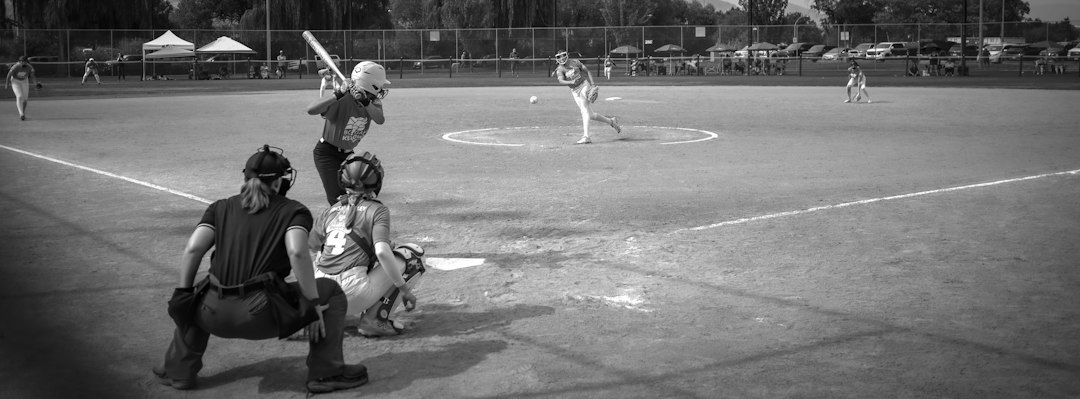
Youth Baseball Coaching: your season blueprint
Before you pick the first drill, sketch a season blueprint. The aim is steady progress: teach core movements early, repeat them often, and add difficulty as players are ready. Whether you’re coaching tee-ball, coach pitch, or minors/majors divisions, the structure here scales up or down to fit your roster. Think of your season as a series of short, well-organized sessions that build confidence while keeping kids moving.
Core principles to anchor the season:
- Consistency beats novelty: Keep a core set of weekly drills (throwing form, ground-ball rhythm, tee work, baserunning starts). Progressions make them feel new without restarting from zero.
- Short, intense reps: Rotate stations every 8–12 minutes so players are engaged and learning. Lines should be short; boredom disappears when kids move.
- One cue at a time: When correcting a throw, use one clear cue (“step to the target”). Multiple cues overload young players.
- Game-like pressure: End segments with a quick challenge or scoreboard. A little competition sharpens focus.
- Two levels ready: Prepare an easier and harder version of each drill. Everyone gets a meaningful challenge without frustration.
Suggested season arc (10–12 weeks):
- Weeks 1–2: Safety rules; athletic stance; two-handed catches; basic throwing; tee swings; running through first base; simple infield work.
- Weeks 3–4: Glove presentation; forehand/backhand footwork; cutoffs; front toss; contact points; if allowed by rules, basic leads in older divisions.
- Weeks 5–6: Relay throws; double-cuts; situational baserunning; variable-speed hitting; pitcher fielding practice (PFP) for older groups.
- Weeks 7–8: Infield/outfield communication; bunt defense if applicable; first-and-third choices (older groups); controlled scrimmages.
- Weeks 9–10+: Review and reinforce; small-sided competitions; emphasis on confidence and execution under mild pressure.
Deliverables you can reuse:
- A one-page practice template with station times and equipment needs.
- A skills tracker (throwing accuracy, clean grounders, contact rate, baserunning habits) updated every two weeks.
- A coaching glossary of 10–12 cues you’ll repeat all year (“glove down, eyes down,” “step and show the chest,” “short path”).
Age-appropriate fundamentals that scale
Coaching five- to eight-year-olds is different from coaching nine- to twelve-year-olds. Fundamentals stay the same, but delivery changes with attention span, strength, and coordination. Tailor language, distances, and expectations. Younger kids learn best through play and simple images. Older kids can handle more detail and slightly longer reps, especially when roles feel real and responsibilities are clear.
Foundation themes to keep on loop:
- Ready position: Feet a bit wider than shoulders, knees unlocked, hips back, chest over toes, glove low, eyes up.
- Throwing rhythm: Step, rotate, throw, follow through. Cue “step to the target; show your chest to the target.”
- Soft hands: Present the glove early; let the ball come; bring ball and glove to the centerline for a quick exchange.
- Two-hand catches: For younger players, finish catches with throwing hand over the glove to build security and fast transfers.
- Balanced swings: Quiet load, short path to the ball, finish through the middle of the field.
Practical scaling by age band:
- Tee-ball (5–6): Big visuals, small distances, frequent rotation. Use cones as lanes. Focus on tee swings, rolled grounders for soft hands, and full-speed runs through first base. Celebrate effort loudly.
- Coach pitch (7–8): Keep throws short (40–50 feet). Add front toss, glove-side footwork, and one-sentence situations (“one out, force at two”). Use “freeze” moments—hold positions to feel balance.
- Minors/Majors (9–12): Extend catch distances, practice relays, introduce position-specific footwork, and run controlled scrimmages. Consequences for mental mistakes are re-dos and learning moments, not punishment.
Common scaling mistakes to avoid:
- Coaching technical details before basic balance and rhythm exist.
- Distances that are too long, causing poor form and frustration.
- Overloading the language (“hinge the hips, hinge the scap”) when “glove down, eyes down” will do.
Practice structure that actually flows
Good practices have a pulse: warm-up, skill stations, competitive game, cool down, and a quick huddle. Your goal is minimal standing and maximal quality reps. Pre-stage equipment so transitions are instant. Use a whistle or a simple call to change stations and keep rhythm without shouting.
60-minute practice (younger teams)
- 0–10: Dynamic warm-up + short-to-long throwing ladder
- 10–35: Stations (tee work; soft hands grounders; baserunning starts)
- 35–55: Competition game (knockout grounders; line-drive points; relay races)
- 55–60: Huddle—one positive from a teammate, one focus for next time
75-minute practice (all ages)
- 0–10: Dynamic warm-up + bands for older players; throwing ladder
- 10–45: Stations (hitting, infield, outfield/baserunning)
- 45–70: Live defense vs. baserunners; situational reps
- 70–75: Huddle—reinforce the weekly theme (e.g., communication)
90-minute practice (older teams)
- 0–10: Warm-up + catch play with quick transfers
- 10–25: Team defense—cuts/relays, bunt coverages if used
- 25–60: Rotating stations (front toss and tee progressions; infield footwork; outfield reads)
- 60–80: Controlled scrimmage with constraints (e.g., put the first strike in play)
- 80–90: Fun races for conditioning + cool down and goals
Staffing stations efficiently
- Assign assistants or knowledgeable parents to one station for the week; familiarity raises quality and safety.
- Set up balls, tees, cones, and screens before practice. A five-minute prep saves fifteen minutes later.
- Post a simple station map on the fence so players know where to go next.
Essential hitting drills for kids
Hitting confidence grows from consistent contact and a reliable move to the ball. Keep language simple, emphasize balance, and use feedback from ball flight. Most reps should be tee and front toss with clear targets, then move up to coach pitch or machine work as appropriate for the division.
1) Five swings, five cues (tee)
- Setup: Balanced stance, eyes on the back half of the ball.
- Cues (one per swing): balance at launch; head still; short path; palm up/palm down at contact; full finish.
- Note: The tee reveals truth. If balls top or slice, check contact point and bat path.
2) Contact-point ladder (tee/front toss)
- Move tee height and depth (inside, middle, away).
- Goal: Middle-of-field flight. Players feel where to meet each pitch.
- Progression: Add light front toss to connect timing to locations.
3) Launch position hold
- Load to launch, pause one second (hands back, heel down or hovering, weight centered), then swing.
- Builds control and balance before “go.”
4) Two-tee path trainer
- Place a back tee near the back hip and a contact tee out front.
- Hit the front ball without clipping the rear tee. Short path wins.
5) Target practice with zones
- Hang left/center/right numbered targets on the net.
- Call a number before the toss; players drive to that zone.
- Builds barrel control and situational awareness.
How many swings? For 10u, 50–70 quality swings across stations is plenty. Keep rounds short (5–8 swings), give one cue, then rotate. For older players, bump volume slightly if form and attention remain strong.
Coaching language that works at the plate
- “Head still, short path.”
- “See ball early, through contact.”
- “Balance first; power comes later.”
Throwing and pitching foundations without overdoing it
Throwing well is a daily habit. Make catch play purposeful, short, and frequent. Build clean footwork and a four-seam grip before distance. For divisions with pitching, teach simple, repeatable movements and a calm routine. Keep workloads age-appropriate and stop a drill when form degrades—tired throws teach bad throws.
Smart catch play (all ages)
- Start at short distance, find a four-seam grip, step to the target, and finish the throw.
- Progress to quick transfer throws: catch, replace feet, throw—smooth and light.
- Add a long-hop challenge: from a safe distance, bounce the ball near the partner’s glove chest-high.
Pitching basics (older divisions with pitching)
- Balance at the top, calm hand break, repeatable stride toward the target.
- Locate fastballs down the middle first, then glove-side and arm-side. Spot before spin.
- Introduce a simple changeup with fastball arm speed when the player is ready and league rules permit.
Healthy habits around throwing
- Short pre-throw routine: bands (older players), torso mobility, and a throwing ladder.
- Reasonable weekly workload for age and role; more is not automatically better.
- Cut volume when mechanics slip. Protect form to support long-term progress.
Fielding and baserunning: footwork creates confidence
Fielding and baserunning are where games feel real to kids—every ball is an adventure. You can simplify both by teaching footwork and early reads. The earlier the body starts moving the right way, the calmer the play becomes.
Infield habits
- Prep step on contact: two light, rhythmic steps as the pitch crosses the plate.
- Triangle to the ball: feet and glove form a triangle, chest over the ball, field out front.
- Right-left-field-right-left-throw footwork to keep momentum toward the target.
- Say the play before it happens (“one at first,” “force at two”).
Outfield habits
- First step back on contact; reading high and early buys time.
- Catch on the throwing side with momentum; step through into the throw.
- Hit the cutoff in youth play; teach accuracy first, carry later.
Baserunning basics
- Run through first base on grounders; look right after the bag to check for overthrows.
- Round the inside corner; lean to the next base and accelerate.
- Tagging on flies: “freeze, read, then return or go.” Practice with a coach calling “back” or “go.”
Relay games and chaos control
- Set lines 60–90 feet apart (age-dependent). Players relay the ball down and back, aiming for chest-high targets.
- Keep visible scores; emphasize turning shoulders, vocal calls (“cut!”), and quick transfers.
Game management for new coaches
Game day feels smoother when you assign roles and simplify decisions. Keep directions short, build routines, and let players handle bite-sized responsibilities. Plan substitutions and defensive alignments before first pitch so you can focus on calm, clear guidance.
Dugout routines that keep order
- Post the lineup early. Helmets and bats in consistent spots. Next three hitters know they’re on deck, in the hole, and in the dugout.
- Set a water spot and remind players when it’s okay to sip. No wandering into foul territory.
- On defense: “gloves on the fence”; on offense: “helmets on, chinstraps clipped” before stepping out.
Coaching the bases
- First-base coach: cue runners to run through the bag, check for the overthrow, and listen for “turn” calls on singles to right.
- Third-base coach: use one-word cues—“back,” “half,” “score,” “down.” If you’re unsure, stop the runner and live to hit again.
- Keep signs simple—two or three basic signs repeated often. Clarity beats complexity.
Situational crib sheet (older groups)
- One out, runner on first: middle infielders confirm force at second; outfielders on toes.
- Runners on second/third: infield knows plan on slow rollers; corners know bunt coverage if used.
- Cutoff calls: outfielders throw chest-high to the cutoff unless a play at a base is clear.
Position choices and rotation
- Rotate widely in developmental divisions so everyone touches infield and outfield, and some try the mound if rules allow.
- In standings-tracked leagues, balance development with team needs—aim for learning without denting confidence.
Safety, equipment, and field setup
Simple safety habits, a prepared field, and the right equipment reduce chaos and help kids focus on play. Safety talks should be short and woven into practice rhythms, not delivered as a lecture.
Equipment checklist
- Helmets sized correctly and in good condition; face protection as league rules recommend.
- Bats that meet league standards; size by player height and control rather than hype.
- Gloves that open easily—youth gloves should close without straining small hands.
- Baseballs for games and a stash of practice balls you won’t mind scuffing.
- Cones, flat markers, tees, a portable screen, and a stocked first-aid kit.
Field setup for fast practices
- Arrive 15–20 minutes early to set stations. Mark hitting lanes, grounder zones, and relay lines.
- Place warm-up away from live bats, and keep walkways clear behind the backstop during throws.
- Have a simple rake and chalk to refresh batters’ boxes and lines when permitted.
On-field habits to lower risk
- No practice swings outside the on-deck area.
- Helmets on any time a player holds a bat during live or tee work.
- Players wait behind screens or on designated cones during toss drills.
For printable checklists and gear notes, you can bookmark our internal hub at familyhealthdesign.com/baseball, which collects these items in one place for easy sharing with assistants and families.
Communication that builds confidence
Great coaching is clear, short, and positive. Kids hear simple cues repeated often, and they remember how you made them feel. Your words should point to what to do, not just what to avoid. Use player names and offer one cue, then watch a new rep right away so the feedback lands.
Keep cues short
- Throwing: “step and show the chest.”
- Fielding: “glove down, eyes down.”
- Hitting: “head still, short path.”
Two-to-one ratio
- Two positives for each correction. “Nice balance. Love the finish. Now try starting a touch quieter.”
Teach the why
- Kids stay engaged when they know the goal. Demonstrate a rep or show a quick clip: “We’re aiming for middle-of-field flight.”
Parent communication
- Send a weekly note with practice themes, game times, and gear reminders.
- Kindly set sidelines expectations: cheer effort; leave mechanics to coaches during play.
- Share links to your team’s resource hub and practice outlines so families know how to help.
Season progression, tracking, and player development plans
Players love seeing improvement. A simple system helps you notice small wins and decide what to emphasize next practice. Keep it low-paper and quick: a clipboard at practice or a shared doc with assistants works wonders.
Skill check cards (every two weeks)
- Throwing: hit a chest-high net target from 40–60 ft (age-based) five times in eight tries.
- Fielding: secure five of eight standard grounders with clean exchanges.
- Hitting: three of five line drives to center zone from tee/front toss.
- Baserunning: clean round of first, touching the inside corner, within a time window appropriate to age.
Color codes to guide next steps
- Green: solid today; raise the challenge next practice.
- Yellow: close; keep the same drill, reduce distance or speed.
- Red: needs a different cue or simpler version; try a new approach next time.
Individual focus plans
- Pick one “focus player” per station each practice for targeted reps.
- Rotate who gets focus to spread opportunities and insight.
- For older players, ask them to name a personal focus at the start and reflect for 15 seconds at the huddle.
Role exposure without overload
- Give kids chances to try new spots in practice before they see it in a game.
- Explain simple priorities for each position (“as a second baseman, own the bag on steals”).
- Use short scrimmage segments featuring specific roles (e.g., “this inning we practice corner infield bunt reads”).
Weather, space, and off-field contingency plans
Fields get wet, gyms get crowded, and daylight fades. A contingency plan keeps your team progressing even when space is tight. The key is to swap distance for speed and precision—shorter throws, cleaner footwork, more repetitions.
Indoor or small-space menu
- Wall ball series: One-knee throws for arm path; standing quick transfers; chest-high target hits with a soft ball.
- Glove-only grounders: Roller lane with cones for forehand/backhand presentation.
- Hitting without flight: Dry swings to a foam target; tee into a pop-up net; short bat wiffle-ball rounds.
- Footwork ladders: In-out hops, crossover starts, then into soft-rolled grounders.
- Reaction games: Number calls, color cones, or clap starts for jumps and reads.
Short-daylight plan
- Start with defense when there is light; do hitting stations in the fading light with nets and reflective cones.
- Use shared phone lights responsibly for end-of-practice huddles and equipment checks.
At-home assignments (optional and simple)
- 10 tee swings into a safe net and 10 dry fielding reps (“glove down, eyes down”) three times a week.
- Play catch two times a week for five minutes at short distance, focusing on four-seam grips and finishes.
- Older players: a plank or balance challenge to feel stability at launch.
Volunteer management, parents, and league alignment
Most youth teams are volunteer-led. You’ll succeed faster if everyone knows their role and how practice runs. Align with league policies early so your team is always on the right track.
Assistant roles
- Station lead: runs one station and tracks one simple metric (e.g., “clean exchanges”).
- Safety spotter: ensures bat and screen rules are followed and helps with setup/cleanup.
- Dugout coordinator: during scrimmages and games, keeps the next three hitters ready and calm.
Parent partnership
- Share the weekly plan and how families can support (water, labeled gear, prompt arrival).
- Invite parents to help shag balls at specific stations—clear jobs make it smooth.
- Set a code of conduct kindly: effort-focused cheering; no mechanical coaching from the stands.
League alignment
- Review league-specific rules (bat standards, pitch counts, substitutions) with assistants.
- Clarify game expectations (arrive times, field setup duties, scorekeeping rotation).
- Ask division coordinators for resources—many have templates you can adapt.
Plug-and-play station menu
Use this menu to swap focus while keeping the same practice flow. Rotate stations weekly to keep interest up and to target what your team needs most right now.
Hitting stations
- Tee to numbered lanes (left/center/right) for barrel control.
- Front toss with zone calls (inside, middle, away).
- Two-tee path trainer to discourage casting.
- Short bat/wiffle-ball for quick barrel awareness.
Infield stations
- Soft hands roller lane with colored cones (forehand/backhand).
- Quick exchange to short throw—aim at a small chest-high target.
- Footwork ladder into grounder: right-left-field-right-left-throw.
- Slow roller, barehand pickup (older groups).
Outfield stations
- Drop-step reads off a coach’s toss—first step back, then angle.
- Ground-ball to crow-hop throw through a chest-high target.
- Sun and shade reads (if relevant), with loud communication calls.
Baserunning stations
- First-base run-through with look right after the bag.
- Rounding first to second on a single—hit the inside corner.
- Tag-up timing on coach-tossed flies with verbal cues.
- Sliding form on a mat, hands up to avoid fingers under the bag.
Weekly practice templates you can copy
These ready-made templates help you hit the field prepared. Adjust distances and speeds to age and league rules. Share them with assistants ahead of time so everyone arrives knowing the plan.
Template A (balanced fundamentals, 75 minutes)
- Warm-up (10): dynamic + throwing ladder
- Stations (35): Hitting—tee targets; Infield—soft hands roller lane; Outfield—drop-step reads
- Team defense (15): cuts/relays with vocal calls
- Competition (10): relay race to chest-high targets
- Huddle (5): highlight a teammate’s effort
Template B (hitting emphasis, 75 minutes)
- Warm-up (10): dynamic + dry swings
- Stations (40): Tee path trainer; Front toss zones; Wiffle barrel control
- Defense (10): infield footwork to quick throw
- Competition (10): “hit the number” game on the net
- Huddle (5): reinforce “head still, short path”
Template C (defense emphasis, 90 minutes)
- Warm-up (10): dynamic + throwing ladder
- Team defense (20): pop-up priority and communication
- Stations (40): Infield—forehand/backhand; Outfield—grounder to crow-hop; Baserunning—rounding drill
- Scrimmage (15): constraint—first strike in play
- Huddle (5): review “glove down, eyes down”
Common coaching mistakes and easy fixes
Coaches improve too. Spotting a few common pitfalls can transform your season fast. Each fix below is short, realistic, and ready to use today.
- Too much talk, not enough reps: Keep explanations to 30–45 seconds, then go. Demonstrate once; let reps teach.
- Long lines: Create a second station or split groups. Movement beats waiting.
- Only full-speed drills: Slow reps build better patterns. Freeze moments and rehearse footwork.
- Generic feedback: Say the player’s name, offer one cue, watch the next rep.
- Skipping defense: Defensive confidence decides many youth games. Give fielding equal time.
- No Plan B: Keep a small-space kit (foam balls, pop-up net, cones) ready for rain or shared fields.
Building team culture and handling tough moments
Culture is how your team responds to success and frustration. Make effort visible and mistakes recoverable. Kids take cues from how adults handle tough moments; your calm and clarity set the tone.
Rituals that stick
- Start and end with a quick huddle. One player shares a positive, one names a focus.
- “High-five line” after station switches—fast, fun, and connecting.
- Post-practice captain: rotate who leads the closing cheer and chooses a fun warm-up for next time.
Handling errors and nerves
- Normalize learning: “Missed five, made three, learned one.” Track the learning, not just outcomes.
- At the plate: one breath in, one out, eyes on the barrel, see the ball, then go.
- After a misplay: say “next ball,” reset the stance, and move on. Model the reset yourself.
Playing time and roles
- Explain rotation plans to families early: broad rotation in development leagues, more role clarity in older or competitive formats as rules allow.
- Even with roles, give everyone a path to new skills—spot start an inning at a new position or lead a specific drill segment.
Putting it all together
Coaching is a craft. Start with a simple routine, repeat it, and add small adjustments each week. Keep drills short, feedback simple, and expectations clear. Celebrate effort loudly, measure progress regularly, and keep competition playful. When your players know what practice feels like, confidence shows up on game day—and the fun grows with it.