
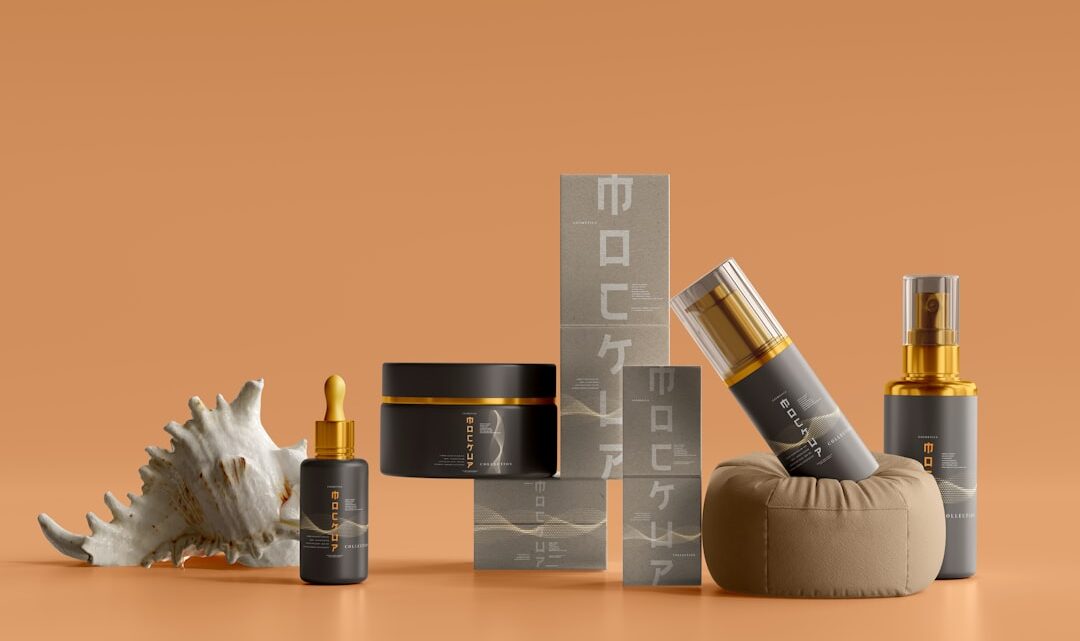
If you are learning how to choose skincare products, the most useful place to start is not the trend cycle. It is your own routine. A product can look polished, sound impressive, and still feel wrong once it lives on your sink for a week. The better question is simple. Does this item fit the way you actually get ready, the climate you live in, and the amount of effort you can repeat without thinking about it too hard?
That question changes the whole process. It moves the focus away from hype and toward fit. Fit is quieter than hype, but it lasts longer. I have bought products that made sense in theory and then watched them sit untouched because the texture felt wrong, the scent stayed too long, or the packaging was awkward when I was in a hurry. I have also bought plain-looking products that became part of my day because they were easy, calm, and boring in the best way.
This article is about that kind of decision-making. Not the fantasy version where every bottle solves everything. The real version, where you compare labels, textures, ingredients, comfort, price, and routine fit, then build something you can actually repeat.
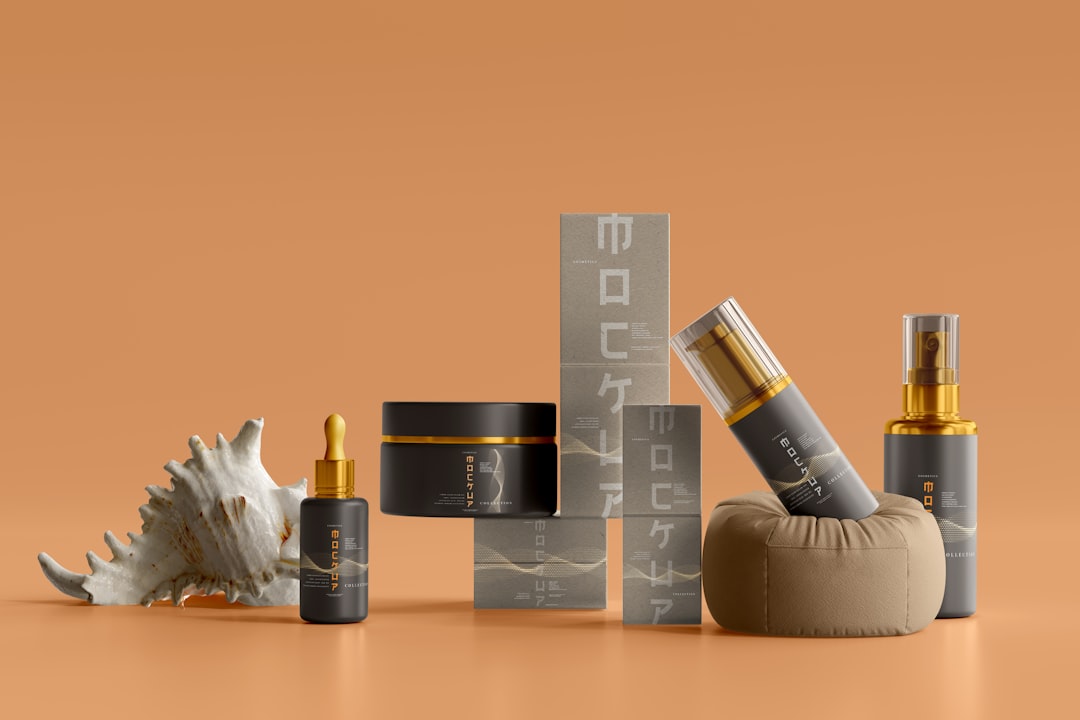
how to choose skincare products: How to choose skincare products without building a shelf you will not use
When I look at a new product, I ask one question before anything else. What job is this supposed to do in my routine? If I cannot answer that clearly, I usually leave it on the shelf. A cleanser should fit the way I like to start or end the day. A moisturizer should match the feel I want after washing. A serum should have a role that is easy to explain in one sentence. A daytime UV step should feel comfortable enough that I will put it on without bargaining with myself.
That sounds obvious, but it is where a lot of people get stuck. They buy by category rather than by need. Then the bathroom fills up with three moisturizers that feel almost the same, two serums that sit in the same part of the routine, and a cleanser that seems fine until the first rushed morning. Extra bottles create the impression of progress, but they often create more friction than value.
I like to think in terms of overlap. If I already have a hydrating lotion, do I need another one with a slightly different name? If I already have a gentle cleanser, what would this new one do differently in daily use? If I already have a daytime UV step I can wear comfortably, does another one really improve the routine, or just make the decision harder? That kind of comparison keeps purchases honest.
There is also the issue of convenience. A product is not only a formula. It is also a habit object. A pump feels different from a jar. A slim tube travels better than a wide bottle. A cap that opens quickly can matter more than a long ingredient list when you are half awake. Small details like that often decide whether a product becomes part of your life or part of the clutter.
If you want a broader framework for product selection, I keep a running archive in the Choosing Skincare Products category on this site. Repetition helps. The more you compare products through the same lens, the easier it becomes to notice what actually belongs in your routine.
Start with routine reality, not ideal routine fantasy
A lot of skincare shopping begins with an imaginary version of the day. In that version, mornings are calm, evenings are unhurried, and there is always enough time to layer three beautiful formulas before stepping into a perfectly planned life. Real life rarely behaves like that. Most routines happen while the kettle boils, the phone buzzes, and the rest of the morning starts moving before you are ready.
That is why I start with reality. When do you really have time? What gets used on a weekday versus a weekend? Do you want your morning routine to be fast and quiet, or do you enjoy taking a few extra minutes? Do you want your evening routine to feel like a reset, or do you prefer something almost automatic? The answer changes what products make sense.
I also think about where the routine happens. A bathroom counter with good light invites different behavior than a drawer full of bottles. A product next to the sink gets seen every day. A product buried in a cabinet can disappear for weeks. Packaging placement sounds minor until you realize how much it influences memory and repetition. If you cannot see it, you may forget it. If it is annoying to grab, you may skip it.
Season matters too. Humid weather, dry indoor heat, wind, travel, and air-conditioning all change the way a formula feels on the skin. A lotion that feels airy in summer may feel too light in winter. A richer formula that feels perfect in a cold month may feel excessive when the weather changes. That does not mean the product failed. It just means the routine needs to respond to the season.
The most useful routine is the one you can repeat when your energy is low. I always picture a rushed Wednesday morning rather than a perfect Sunday. If the product still makes sense in that setting, it has a real chance of earning a permanent place.
Read labels in layers instead of chasing the front of the box
Skincare packaging is designed to win attention quickly. The front of the box tells a story. The ingredient list tells a different one. I trust the second one more. That does not mean the front is useless. It can still give clues. But I use it as a starting point, not the final word.
My first pass is simple. I identify the format. Cream, gel, balm, lotion, foam, fluid, oil, stick. Each one hints at how the product will feel. Then I look at the first part of the ingredient list, because that is usually where the base of the formula shows itself. A water-heavy formula tends to feel lighter. A formula with more oils, butters, or waxes near the top usually feels richer. You do not need to decode every ingredient. You just need enough to know the general shape of the product.
After that, I read the marketing language with a practical eye. Words like lightweight, cushiony, silky, airy, rich, non-greasy, or fast-absorbing are not scientific measures, but they are still clues. They tell you how the brand wants you to experience the formula. If you know your skin likes lighter textures, a product that keeps talking about richness may not be the easiest fit. If your skin likes more comfort after washing, a product that keeps describing itself as barely there may not stay pleasant for long.
I also pay attention to the little details that rarely make it into the headline copy. Does the product have fragrance? Is the scent soft, noticeable, or persistent? Does the packaging feel easy to use with damp hands? Is the cap secure enough for travel? Does the bottle make it easy to control how much comes out? These are not small questions. They shape the actual experience.
Label reading works best when you do it in layers. Front of pack for the pitch. Ingredient list for the structure. Packaging for the daily experience. If you only look at one layer, you miss part of the picture.
Match texture to time of day, climate, and layering
Texture is one of the fastest ways to figure out whether a product belongs in your routine. I have seen products fail a first impression and then become favorites once the weather changed. I have also seen products that looked elegant on paper become annoying in real life because they sat too heavily under everything else. Texture is not a detail. It is the experience.
I like to think of texture as a timing issue. Morning routines usually reward quick absorption, a clean finish, and a formula that sits well under the rest of the day. Evening routines can allow more cushion and more slip. If your mornings are rushed, a gel or light lotion may feel easier than a dense cream. If your nights are slow and you want more comfort after cleansing, a richer formula may feel better.
Climate changes the decision too. Humid air can make a rich formula feel heavier than expected. Dry indoor heat can make a light formula feel insufficient by mid-afternoon. Wind and cold can change how a formula sits after a few hours. Travel adds another layer because hotel air and unfamiliar water can make the same product feel different from home.
Layering matters just as much. A smooth serum under a lotion can feel seamless. A heavy balm on top of a rich cream can feel like too much. A dry finish under another dry finish can lead to a rough feel or visible product buildup. When I test a new product, I do not ask only, Does this feel good on its own? I also ask, Does it behave well with the other steps I already use?
There is also the matter of finish. Some formulas vanish into the skin. Others leave a satiny sheen. Some feel cushioned for a few minutes, then settle quietly. Others stay noticeable for hours. None of these are wrong. They just suit different routines. Your goal is not to pick the most elegant texture on the shelf. It is to pick the texture you will still enjoy at the end of the day.
Choose ingredients by job, not by hype
Ingredient lists can feel intimidating until you stop trying to memorize them and start reading them as clues. A formula is usually built around a job. One job may be adding water-binding support. Another may be making the skin feel softer. Another may be giving the surface a smoother look. Another may be helping a daytime formula sit comfortably. Once you look at ingredients through that lens, the list becomes more useful.
For hydration support, I often look for ingredients such as glycerin or hyaluronic acid. For a softer, more cushiony feel, ingredients such as ceramides or squalane often appear. For a brighter-looking finish, niacinamide is common. For formulas that feel richer and more comforting, you may see oils, butters, or occlusive ingredients higher on the list. None of these are magic. They are simply clues about the product’s main purpose.
The mistake I see most often is trying to make every product do too much. People want hydration, softness, glow, smoothness, and a polished look from one item. That is a lot of pressure for a single formula. In practice, a routine often works better when each step has one clear role. One product can be there for cleansing. Another for comfort. Another for a daytime finish. Another for a targeted cosmetic concern, if you want that step in the routine.
I also look for ingredient redundancy. If two products in the same routine do nearly the same thing, one of them may be unnecessary. If a serum and a moisturizer are both built around a similar feel and finish, the second product may not add much beyond extra cost and extra clutter. The point is not to own the longest ingredient list. The point is to assemble a set of steps that cooperate.
This is where your own preferences matter. Some people like formulas that feel rich and noticeable. Others want almost invisible textures. Some want a more polished finish. Others want comfort first. Ingredient selection should follow the way you like to live, not the way a marketing page thinks you should feel.
Use fragrance, finish, and comfort as real decision factors
Fragrance changes a product more than many people expect. A formula can be technically fine and still feel wrong because the scent stays in the background all day. Another product can smell pleasant for ten minutes and then fade away in a way that makes the routine feel clean and easy. The question is not whether a scent is objectively good. The question is whether it suits your daily use.
Some people want fragrance because it turns the routine into a small ritual. Others want as little scent as possible because they notice every trace. Both preferences are normal. I would not put fragrance at the top of the ingredient list, but I also would not dismiss it. If you can already tell that a scent will bother you after lunch, that is useful information before you buy.
Finish matters just as much. A product can leave a dewy look, a soft matte finish, a silky surface, or a slight film. That finish shapes how the rest of the day feels. If you dislike residue, even a very well made formula can become annoying. If you want your routine to feel a little more indulgent, a softer finish may matter more than a bigger bottle or a louder promise on the front.
I also pay attention to how a product behaves around hair, clothing, and touch. Does it transfer easily? Does it feel tacky after a few minutes? Does it start out pleasant and then become more noticeable as the day goes on? These questions sound mundane, but they decide whether you keep using the product after the first week.
Comfort is the final filter. If a formula fits your goals but feels awkward, the routine will likely fade. Products do not need to be exciting. They need to be usable. The best daily care items are often the ones you barely think about because they settle into the background of the day.
How to choose skincare products with patch testing new skincare and slow introduction
I prefer patch testing new skincare before I let it take over the whole routine. That phrase sounds cautious because it is. A small-area test gives you a chance to see how the formula behaves before you ask it to perform everywhere. It is a low-drama way to gather information.
The key is to be slow. One application tells you very little. A formula can feel fine at first and then become uncomfortable later. Another formula can feel slightly odd the first time and settle nicely after that. The only way to know the difference is to give it time. I usually introduce one new item at a time and keep the rest of the routine stable so I can read the results clearly.
When I do this, I pay attention to a few specific things. How does the product feel right after application? How does it sit after an hour? Does it change when layered under the next step? Does the scent linger more than expected? Does the finish look the same in different lighting? Those notes help more than vague memory does.
What I try not to do is force a product into the routine because I spent money on it or because someone else liked it. If it does not fit, it does not fit. Slow introduction is not about making excuses for a formula. It is about making an honest observation before you decide whether it deserves a long-term place.
This is also where people sometimes overcomplicate the process. You do not need to test five products at once. You do not need to change every step on the same day. The more variables you add, the harder the decision becomes. A stable routine gives you cleaner feedback.
If you want a simple rule, make it this. One new product, one small test area, one few-day observation window, and one honest judgment. That is enough to know whether the formula has a place in your routine.
Build a simple routine around the products you repeat most
Most people do better with a small routine they repeat than a long routine they admire from a distance. Repetition is the real test. If a product feels good only when you are relaxed and patient, it may be a nice extra, but not a core step. The products that stay are the ones that work on ordinary days.
I usually start with the product I am most likely to use consistently. For many people, that is a cleanser or moisturizer. If that step feels pleasant and easy, the rest of the routine gets easier too. Then I add only what has a clear job. A daytime UV step in the morning. A serum if it fits a specific goal. Maybe a richer night step if the skin feels better with more cushion. Not every shelf needs to be full.
Simple does not mean careless. It means honest. A three-step routine can be more thoughtful than a six-step routine if each product is chosen well. The goal is not to collect more items. The goal is to make the routine feel natural enough that you do it without resistance.
I also like to compare steps by their relationship to one another. A cleanser that leaves the face too stripped can make every later step feel harder to judge. A moisturizer that sits strangely under makeup can turn a good morning product into a daily annoyance. A daytime UV formula that feels too shiny may end up unused no matter how good the ingredient story sounds. Routines work as systems, not as separate trophies.
If you want to dig deeper into routine building, I keep related posts in the same Choosing Skincare Products archive. A small set of well-matched products usually works better than a crowded list of almost-right ones.
Compare cost, size, packaging, and refill habits before you buy
Price matters, but it does not tell the whole story. A larger bottle is not always the better value if the formula feels awkward and gets ignored. A smaller bottle can be smarter if it matches your usage and actually gets finished. I try to look at value as a mix of cost, convenience, and how likely I am to use the product all the way through.
Size is one part of that equation. If a product is large enough to outlast your interest, it may become clutter before it becomes value. If it is too small, you may run out before you learn enough about it. The best size is usually the one that fits your actual pace of use. That sounds boring, but boring is often where the best value lives.
Packaging comes next. Pumps are quick and tidy. Tubes travel well. Jars can feel luxurious, but they are not always the easiest choice if you want speed or cleanliness. Bottles with narrow openings can frustrate you if the formula is thick. Even the position of the cap can affect whether you keep reaching for the product. These are tiny design choices, but tiny design choices shape habits.
Refill habits matter too. If a product is hard to repurchase, hard to store, or hard to decant into travel containers, it creates friction. A good routine should lower friction, not add it. When two products seem similar, I often choose the one that fits my storage space and restocking habits more neatly.
The question I keep asking is this. Would I still want this product if I removed the packaging story and looked only at the experience? That question strips away a lot of marketing noise. It makes the decision less glamorous and more useful, which is usually what I want.
Keep a monthly review so your shelf stays honest
Routines drift. That is normal. A formula that felt perfect one month may feel too heavy or too light the next. A product that used to be easy to reach may get pushed to the back of the shelf. A scent that once felt pleasant may start to feel too noticeable. That is why I like a monthly review.
The review does not need to be formal. I just look at what I actually used. What got finished? What stayed untouched? What felt easy? What felt like work? That simple audit tells me more than a long wishlist does. If a product sits untouched for weeks, it may not deserve a permanent place. If I keep reaching for the same item, that is a sign it earns its slot.
Seasonal changes are worth tracking too. Summer and winter are different routines, even when the products are the same. Indoor heat changes how a formula sits. Humidity changes finish. Travel changes texture. If something stops feeling right, I do not assume I am doing something wrong. I assume the context changed and the routine should adjust.
Storage also matters. Keep lids closed. Keep bottles out of direct heat. Try not to let too many half-used products pile up in random places. A cluttered shelf makes every choice harder. A simple shelf makes the next use easier, which makes the whole routine more likely to happen.
If a product keeps feeling uncomfortable, or if you have questions about ingredient fit that you cannot answer from the label alone, speaking with a dermatologist can help. That does not mean you need a dramatic change. It just means some questions are easier to sort out with professional input than by guessing from packaging.
A practical buying checklist you can use before checkout
I keep a short checklist in mind before I buy anything new. It keeps me from talking myself into something that looks good for ten seconds and then becomes clutter. The questions are simple, and that is the point.
- Does this product have a clear job in my routine?
- Is the texture something I can imagine using on a normal weekday?
- Will the finish still feel good after a few hours?
- Does the scent feel comfortable enough for repeated use?
- Does the ingredient list match the kind of formula I expected?
- Is the packaging easy to use, store, and travel with?
- Does the size make sense for how often I will use it?
- Will this fit with the other steps I already own?
- Do I already have something close to this at home?
If most of those answers are clear, the product has a decent chance of becoming useful. If several of them feel fuzzy, I usually wait. Waiting is underrated. It gives you time to notice whether the product is actually a fit or just a good story.
That is the heart of how to choose skincare products. Not by collecting the most interesting labels. Not by following the loudest recommendation. By choosing the product that fits your routine, your climate, your tolerance for texture, and your patience on ordinary days. The shelves that work best are usually the ones that feel ordinary after a while. They do their job quietly, and they stay because you keep reaching for them.
A good routine rarely announces itself. It just makes the morning smoother, the evening easier, and the whole counter a little less crowded.